
The product didn't change. The room did. Here is what that means for CPG marketers planning their next sampling program.
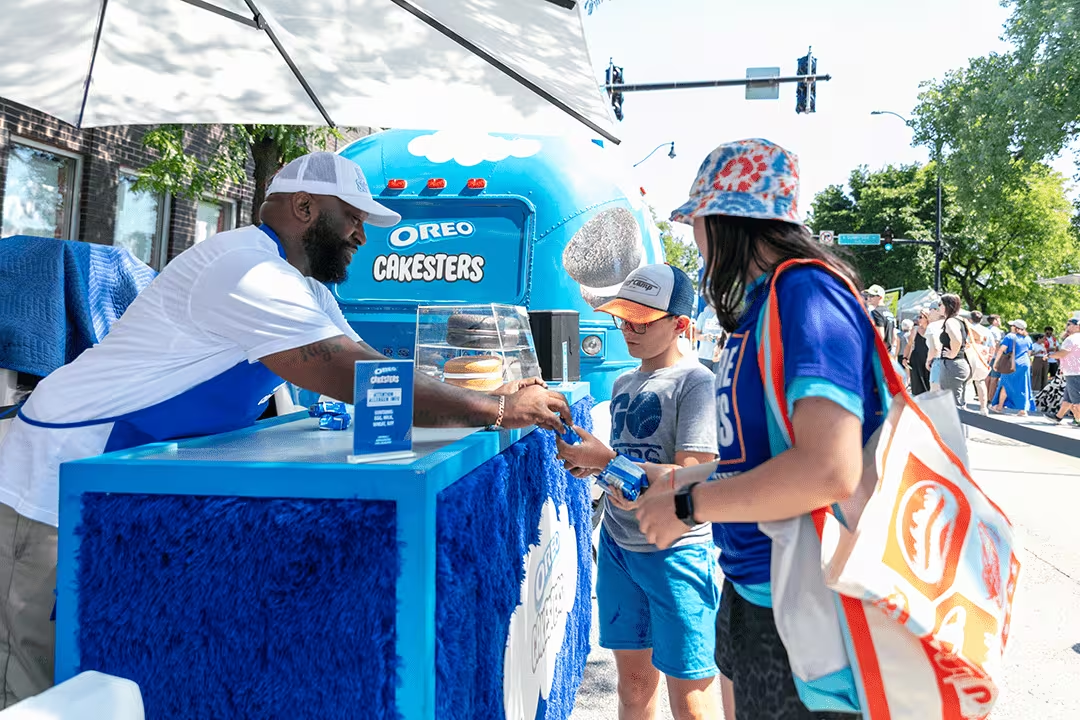
Hand the identical product to the identical shopper in a pediatrician's waiting room and in a big-box aisle, and you get two different reactions. The product didn't change, the room did.
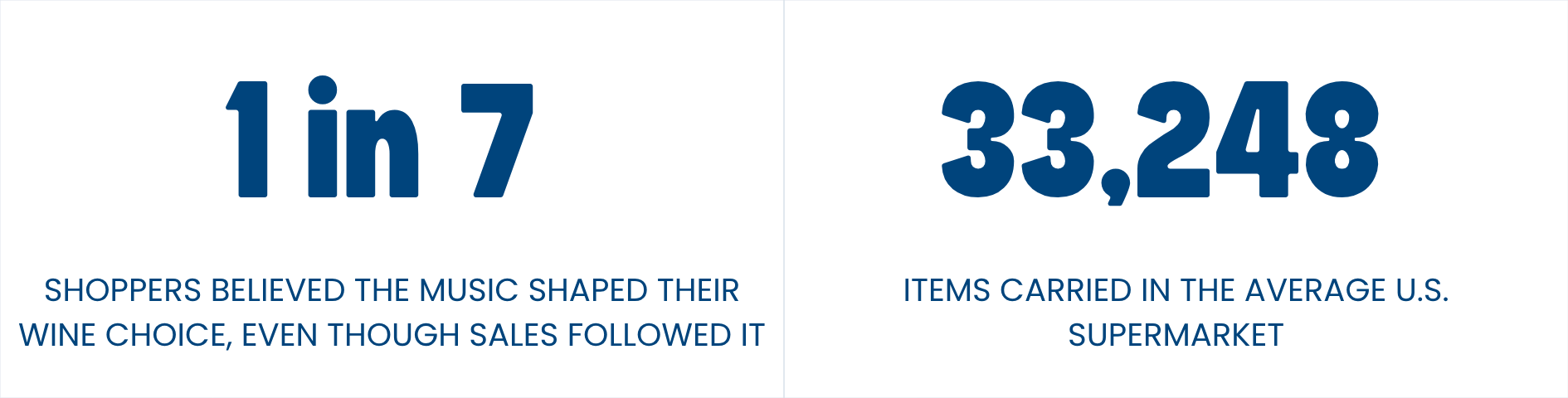
In the waiting room, a parent has time. They are already thinking about their child's health, and a sample is delivered within an office they chose and trust. In a store aisle, that same parent is pushing a cart past more than 33,000 items, working from a list, and treating anything unplanned as an interruption. One setting invites attention. The other competes for it.
Most sampling conversations start with the product and the number of units. The better question comes first: where will this product be received, and what will that place say about it before the consumer ever opens it?
The Room Speaks Before the Product Does
Consumers rarely notice how much their surroundings shape their choices, but that is exactly what makes the effect so powerful.
In a well-known study published in Nature, researchers played French accordion music and German beer hall music on alternating days beside a supermarket wine display. On French music days, French wine outsold German wine. On German music days, the pattern reversed. When shoppers were asked afterward whether the music had influenced their choice, only 6 of 44 said yes.
The lesson for brand marketers is that a venue is never a neutral delivery point. It carries cues, associations, and a mood, and every one of them attaches to the product placed inside it.
A gluten-free high protein snack at a boutique fitness studio borrows the energy and intention of the class that just ended. A gentle skincare sample at a dermatology office borrows the care and authority of the practice. A hand warmer at a ski lodge arrives as the answer to a problem the guest is feeling at that very moment. The room frames the product before the consumer forms an opinion of their own.
"A venue is never a neutral delivery point. Every cue in the room attaches to the product placed inside it."
Who Hands It Over Matters as Much as Where
Context is the messenger.
A sample from a stranger at a folding table is a transaction. A sample from a known front desk team member, a fitness instructor, or a school nurse is closer to a recommendation. Consumers extend trust to the people and institutions they already rely on, and that trust carries over to whatever those people introduce.
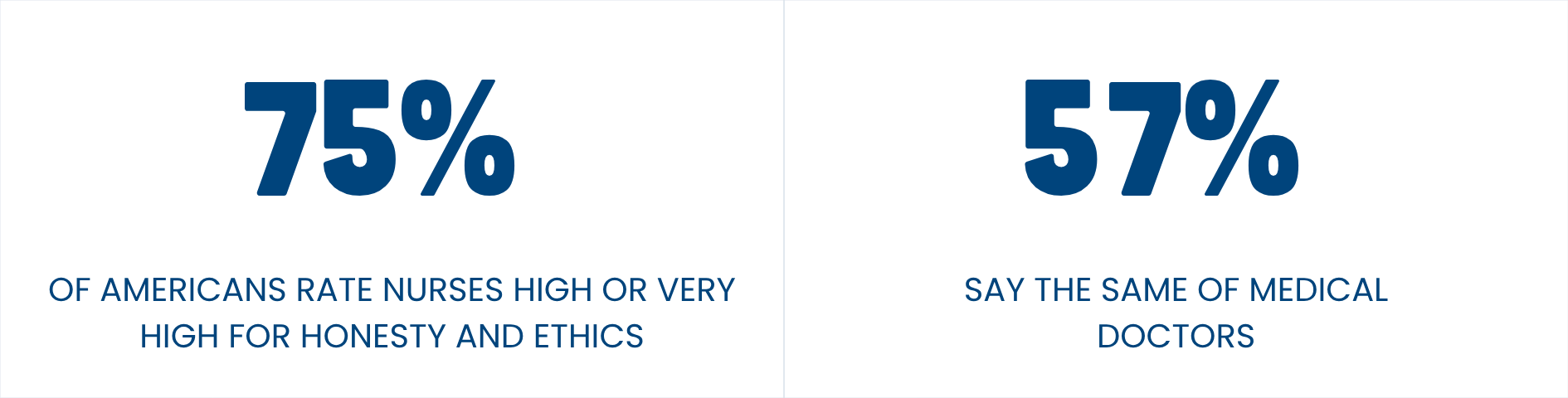
Gallup's annual honesty and ethics survey consistently places healthcare professionals near the top of the list.
When a product arrives through a healthcare location, it inherits a measure of that credibility. No media buy can purchase it, because the venue earned it over years of serving the same community.
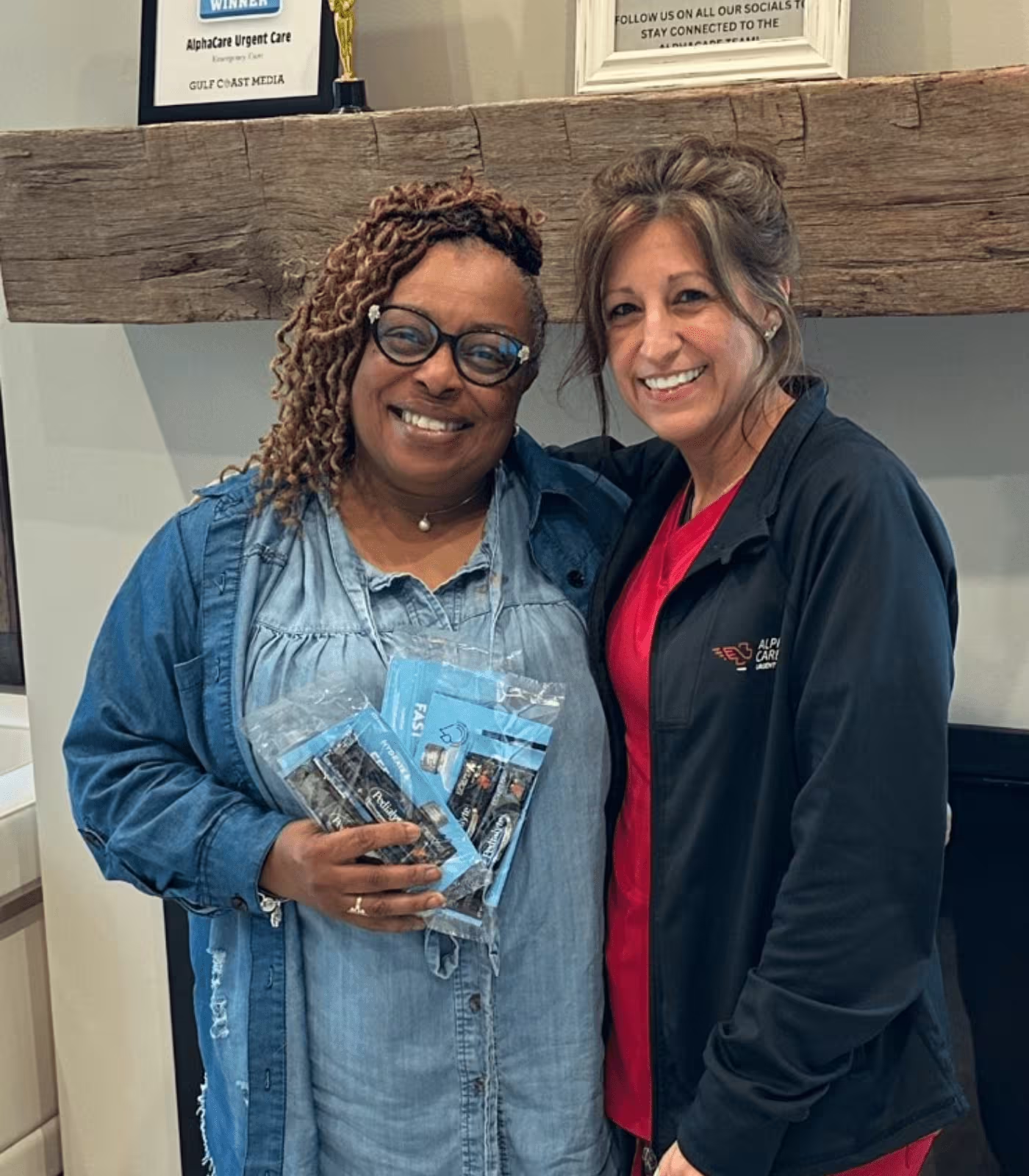
Aha!’s Pedialyte program in urgent care centers shows how this works. A patient often arrives feeling run down and dehydrated, and leaves with care instructions from a provider they just trusted with their health. A Pedialyte sample delivered through that visit is not an ad. It becomes part of the recovery plan, arriving at the moment the need is greatest, in a setting the patient is most likely to listen to.
This is why the introduction matters as much as the item. The most effective sampling programs are designed around who will place the product, how they will describe it, and whether the handoff feels like a natural part of the visit rather than an interruption.
Timing Turns a Sample Into a Solution
The third variable is the moment. A sample that solves a problem the consumer has right now is received differently than one that solves a problem they might have someday.
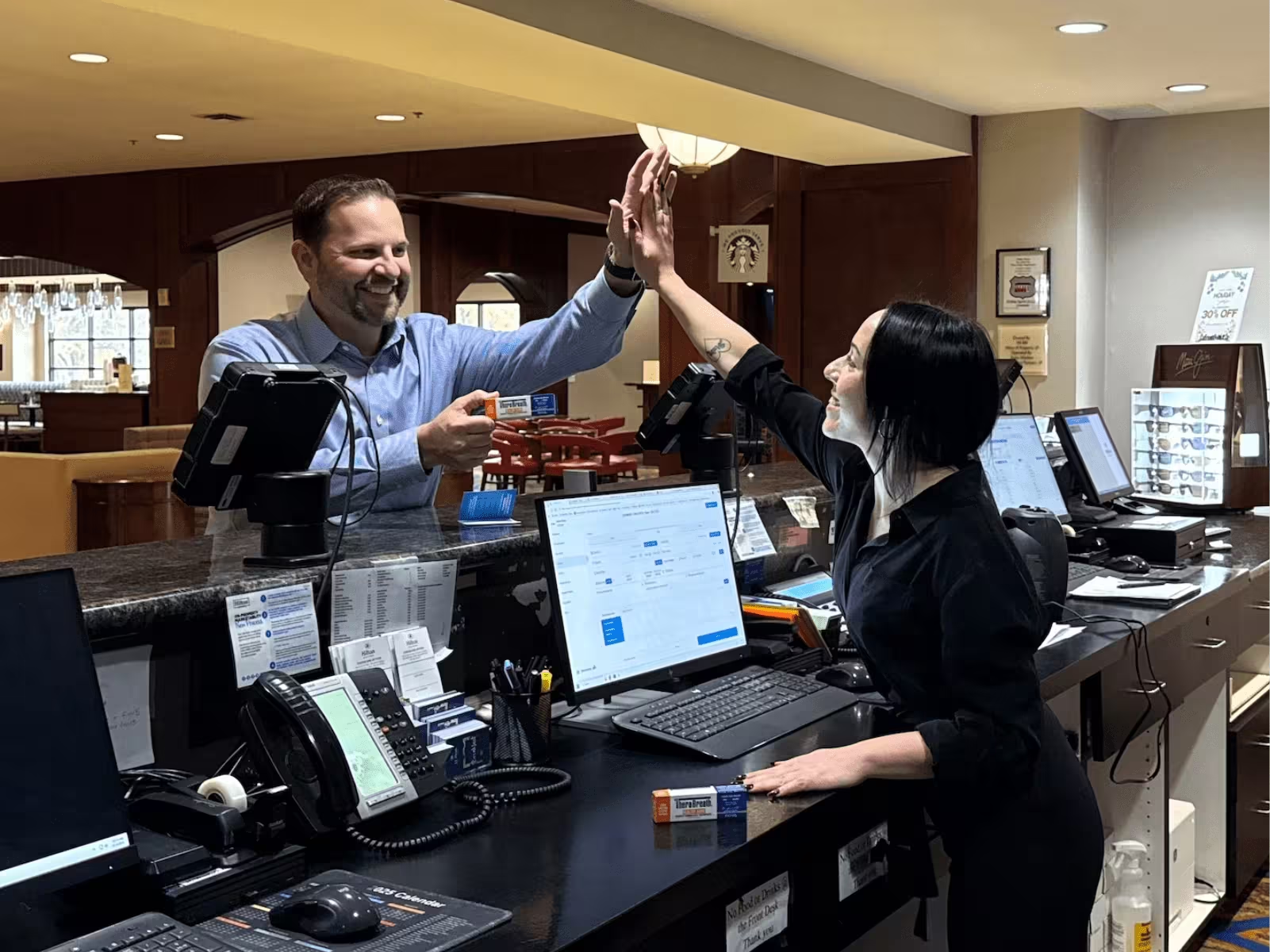
Consider the traveler who checks into a hotel late at night and realizes the toothpaste is still sitting on the bathroom counter at home. A travel-size tube at the front desk is not marketing in that moment. It is relief. The guest uses it that night and again the next morning, and the brand becomes tied to a small rescue rather than an ad impression. The same tube handed out on a busy street corner would likely go into a bag and be forgotten.
Need states like this are everywhere once you start looking: post-workout hunger, a child's first cold of the season, the first week in a college dorm, the long days of spring travel. Each one opens a short window when a consumer is actively looking for a solution in a specific category. A product that arrives inside that window does not have to earn attention. It already has it.
"A sample that solves today's problem gets used. A sample that solves someday's problem gets stored."
Fit Is the Difference Between Reach and Relevance
Put the three variables together, the room, the messenger, and the moment, and a clear principle emerges. Sampling performance is not a function of the product alone. It is a function of fit.
This changes how brands should evaluate a program. Cost per sample and total units distributed are easy to measure, but they describe reach, not relevance. Ten thousand samples placed in settings with no connection to the category can produce less trial than two thousand placed where the consumer, the need, and the venue align.
The questions worth asking before any program launches:
- Who is the consumer most likely to adopt this product, and where do they spend time when the category matters to them?
- Which venues carry the trust and associations the brand wants to borrow?
- Who will introduce the product, and how naturally does it fit into their interaction with the consumer?
- When does the need peak, and how far ahead does the program need to be built to meet it?
Brands that answer these questions first tend to see the difference in purchase intent, repeat purchase, and word of mouth. Brands that skip them often end up with impressive distribution numbers and little to show for them.
"Reach tells you how many people received the product. Fit tells you how many of them will buy it."
How Aha! Matches Products and People
Aha! Marketing was built around this principle. Our network of thousands of opt-in venue partners across the United States and Canada is the largest in the sampling industry. It includes fitness studios, healthcare offices, schools, hotels, YMCAs, workplaces, and more. Each one is a setting where a specific consumer arrives with a specific mindset.
Every program starts with the match: identifying the consumer, the need state, and the venues where those two meet. Venue partners introduce products as trusted members of their own communities, and every program comes with purchase intent data tied to the setting where trial happened. Brands learn not just whether a product works, but where it works best.
The result is a sample that lands in the right room, from the right hands, at the right moment.
Let's find your room.
Spring planning is already underway. The right venues take time to coordinate, and the best consumer moments fill early.
Book 15 minutes at ahamarketing.com.