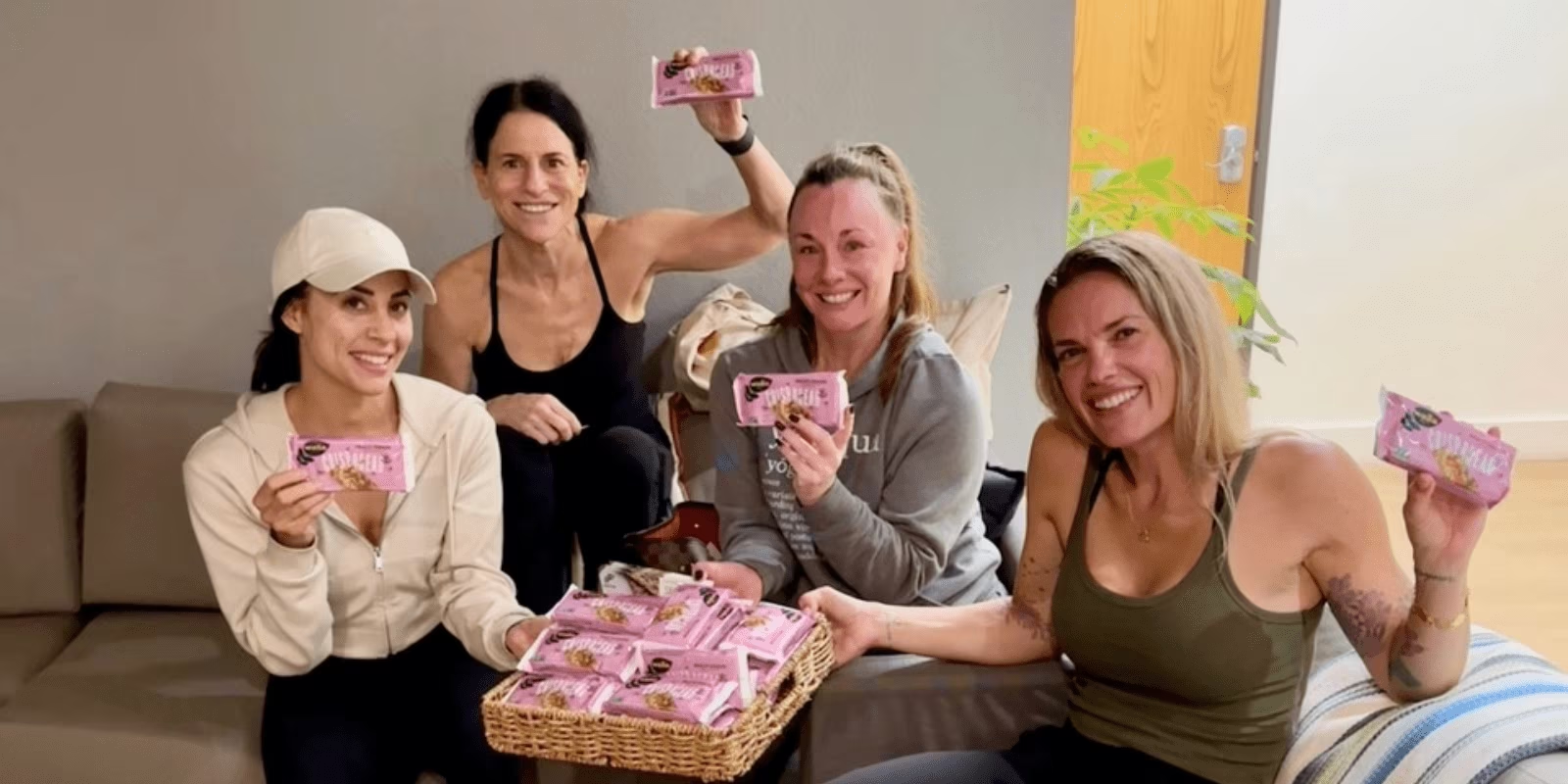
Screens now handle more of daily life every year. For brands, that makes a real, face-to-face exchange more noticeable and more valuable.
Groceries arrive at the door without a word exchanged. Banking happens in an app. Self-checkout replaced the cashier, a QR code replaced the menu, and a chatbot now answers the customer service line.
Travel is one of the clearest examples. It is now possible to book a flight, check in, board, and unlock a hotel room without speaking to a single person.
For consumers, much of this is welcome. Lines are shorter and errands take less time. But something disappeared along the way: the small human exchanges that used to fill an ordinary day. The cashier who asked about your weekend. The front desk clerk who recommended a place for breakfast. Those moments were never the point, yet they were often what people remembered.
When everything around a consumer is automated, a real person offering something useful stops being ordinary and becomes the moment that stands out.
Fewer Moments That Need a Person
The shift toward contactless experiences is not a prediction. It is already here, and consumers are embracing it. In air travel alone, IATA's 2025 Global Passenger Survey found that about half of passengers have now used biometrics somewhere in their airport journey, from face scans at security to boarding without a paper pass.
At the same time, Americans are reporting a quieter cost of a more mediated life.
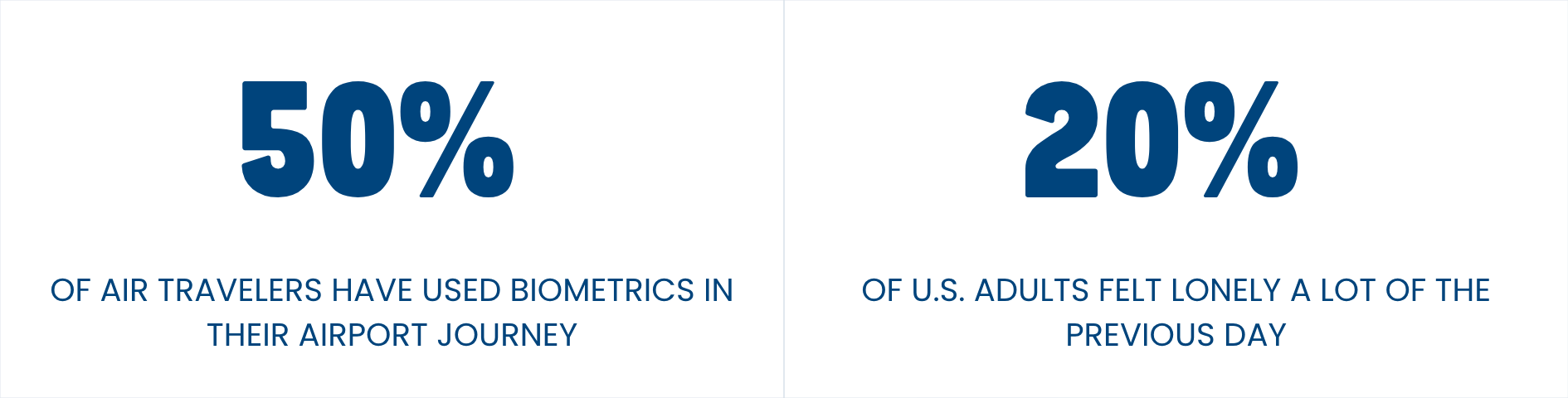
These two trends are not in conflict. People want speed and convenience for the parts of life that feel like chores. But they still want connection, and the less often it appears by default, the more they notice when it does.
Efficiency Removed the Friction. It Also Removed the Memories.
A seamless experience is, by design, forgettable. Nothing goes wrong, so nothing stands out.
Psychologists have long observed that people do not remember experiences as an average of every minute. Nobel laureate Daniel Kahneman described this as the peak-end rule: we judge an experience largely by its most intense moment and by how it ended. A smooth self-checkout rarely becomes a peak. A surprising, friendly exchange often does.
This matters for brands, because the same rule governs how consumers remember products. A sample left on a doorstep or tucked into a delivery bag blends into the background. A sample handed over by a person, with a sentence of context and a genuine smile, becomes part of the day the consumer remembers.
"A seamless experience is, by design, forgettable. A human moment is how a brand gets remembered."
What a Human Handoff Does That a Screen Cannot
A digital ad can show a product, but a person can introduce it. The difference shows up in three ways.
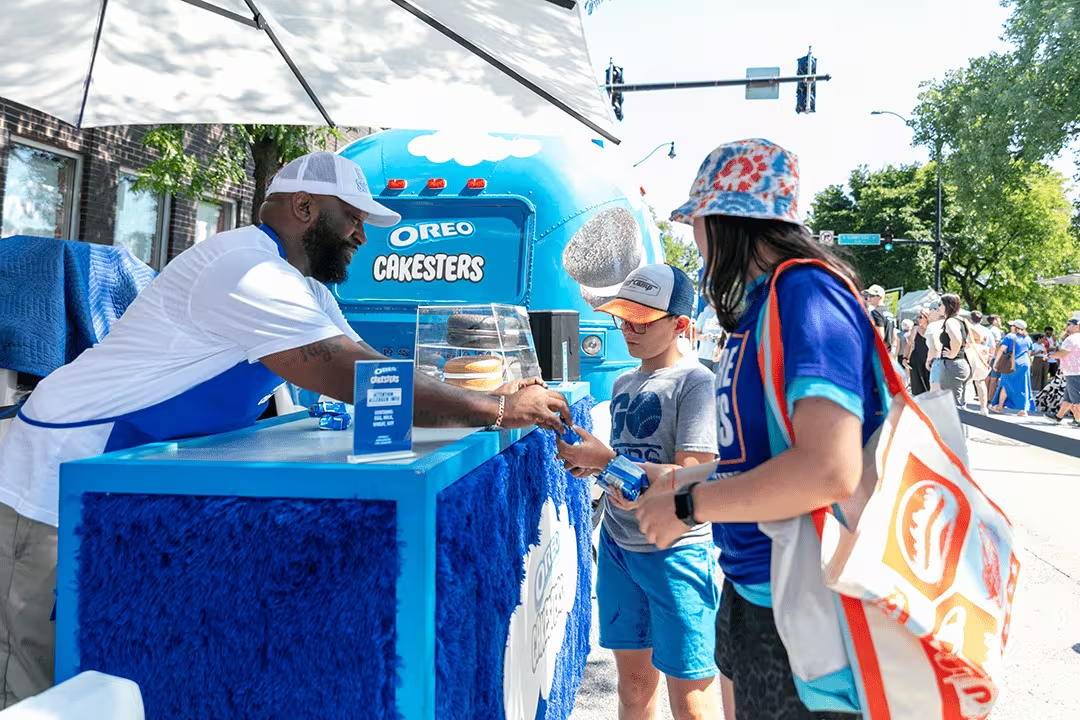
It creates surprise. Consumers expect to tap, scan, and swipe. They do not expect someone to hand them something useful and free. That small break in the pattern gets attention.
It gives permission to try. Many consumers hesitate in front of an unfamiliar product. A real person who explains what it is, why it is worth a try, and how to use it removes that hesitation in a few seconds. The consumer leaves with a product and a reason to try it.
It builds a feeling, not just an impression. People remember how an exchange made them feel long after they forget the details. A warm, unexpected moment of generosity attaches to the brand behind it, and that feeling travels home with the consumer.
None of this requires a big production. It requires the right person, in the right setting, with a product that genuinely fits the moment.
Play Is the Fastest Way to Connect
Few products make the case for human moments better than a game. A board game cannot be fully understood from a screen. It has to be opened, played, and laughed over with other people.
That was the thinking behind Aha!'s 2026 program for The Op Games. Rather than relying on digital ads to explain the games, the program put its flagship titles directly into the hands of families and communities across the country. A nationwide experiential tour brought live gameplay to people in person, while regional activations and a partner kit program carried the games into local communities.
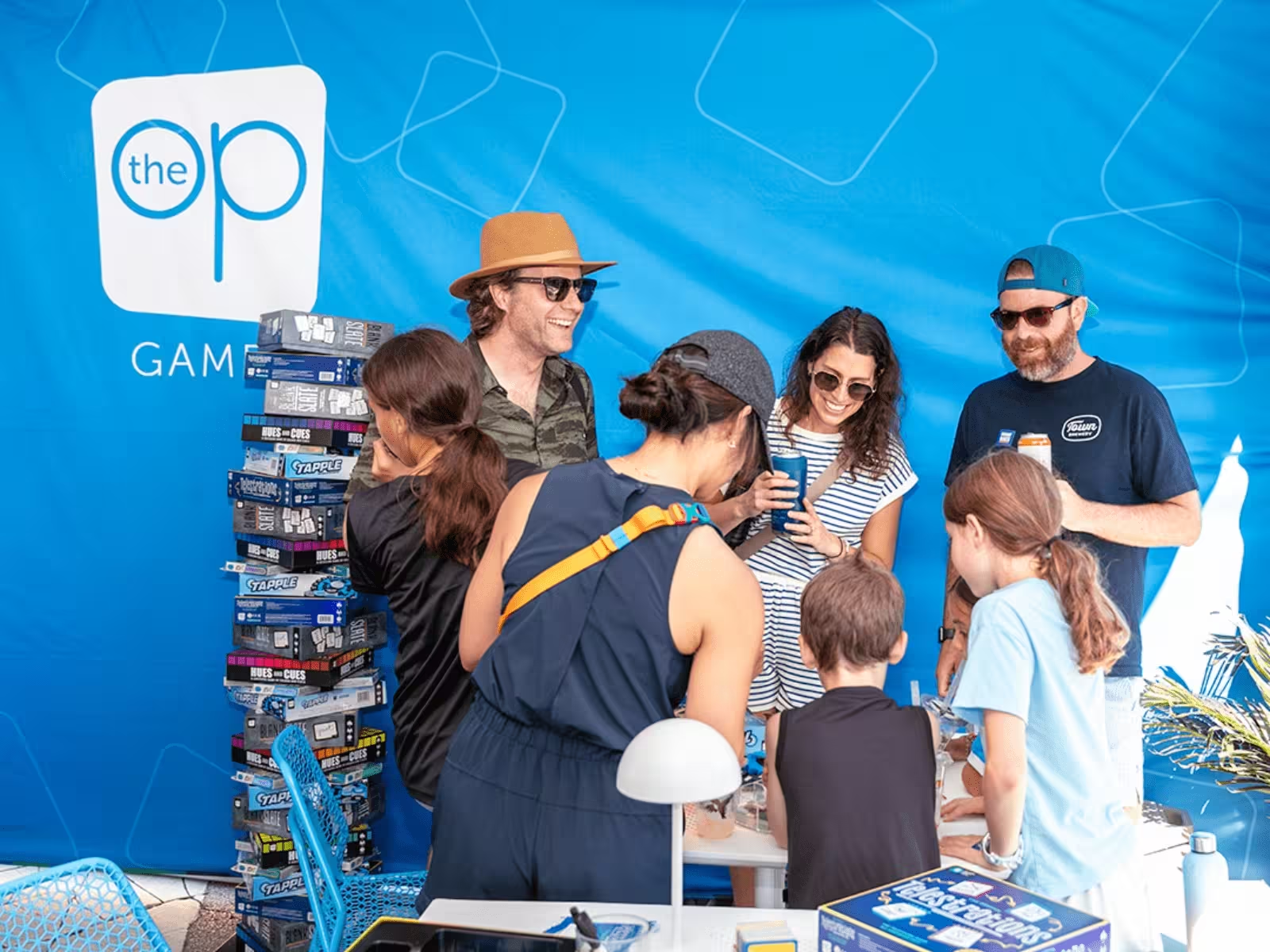
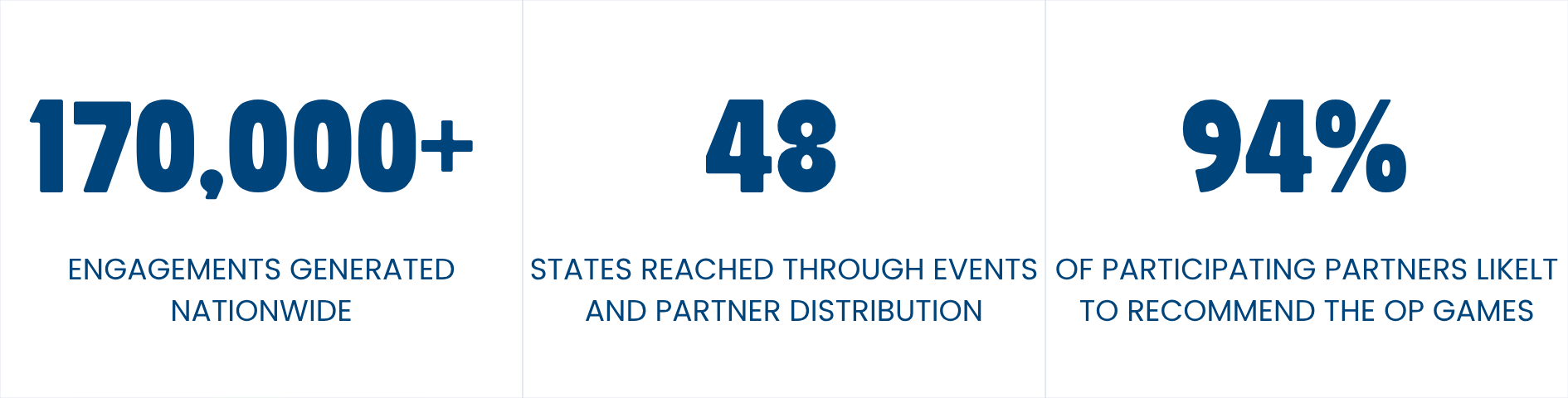
The most telling number: 81% of participating partners were new to The Op Games before the program began. They met the brand through play, not through a feed, and nearly all of them came away ready to recommend it.
The product did its job. But it was the human introduction that opened the box.
"A game cannot be fully understood from a screen. It has to be opened, played, and shared."
Where Human Moments Still Happen
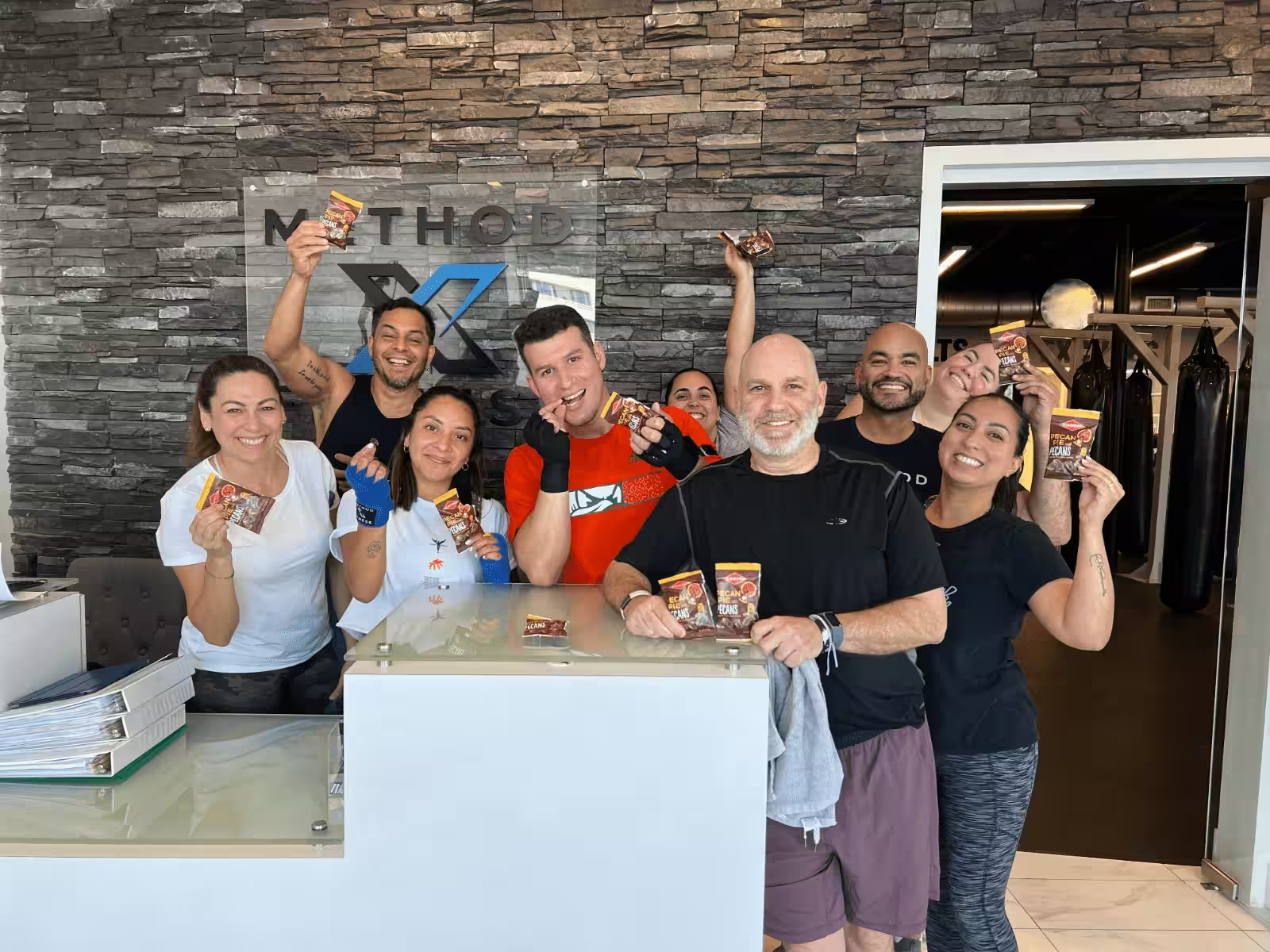
The good news for brands is that human moments have not disappeared. They have concentrated in the places where people still gather on purpose: the fitness studio before an early class, the hotel lobby at check-in, the school pickup line, the healthcare office waiting room, the shared table at a coworking space.
Each of these settings has someone consumers already know and trust. A front desk team member, an instructor, or an office manager handing over a product turns a sample into a gesture. And with spring travel season ahead, hotels and the places travelers pass through offer a timely chance to meet people when they are away from routine and open to something new.
How Aha! Brings Products Into Real Life
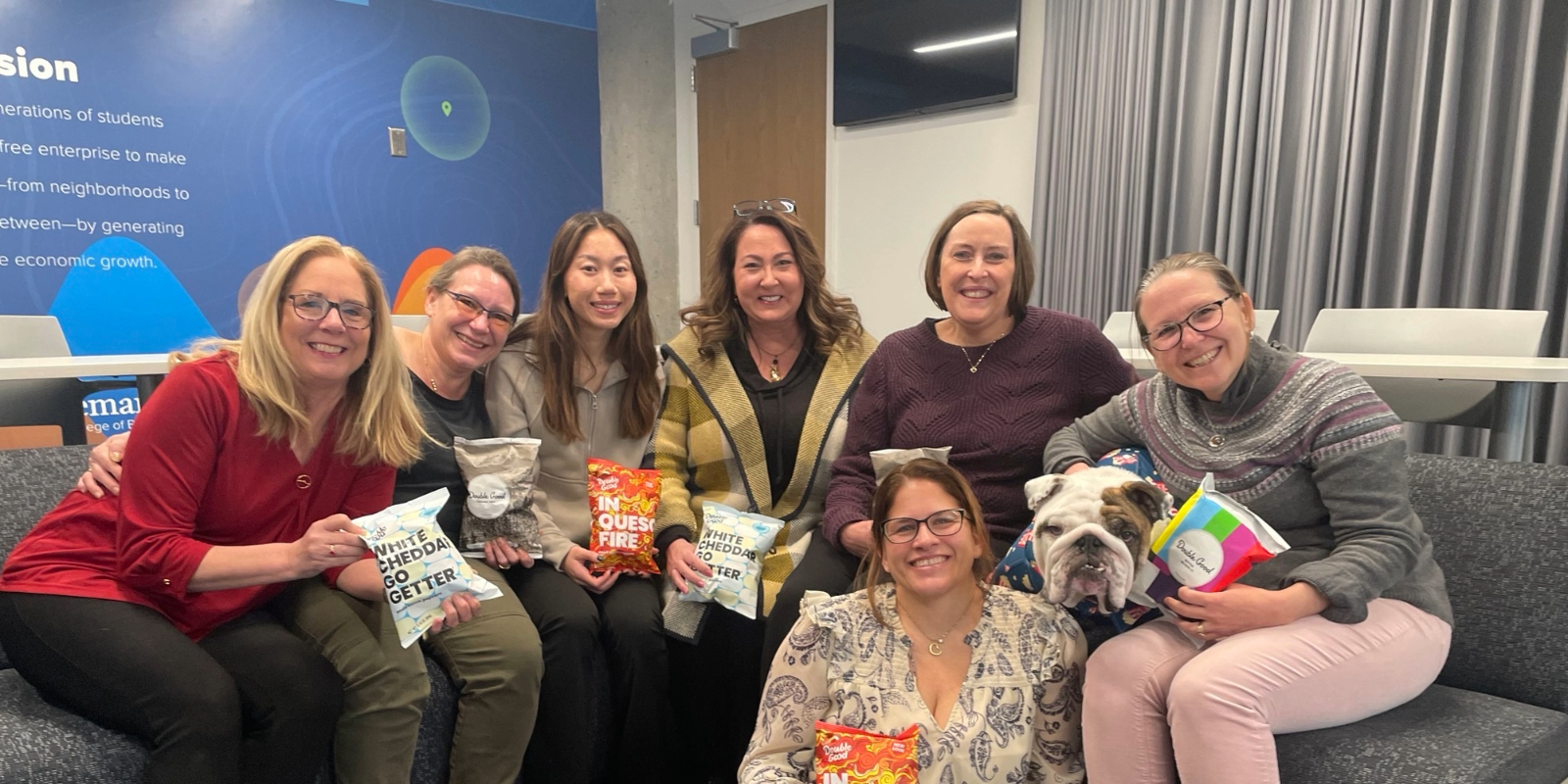
Aha! Marketing has spent more than a decade building a network of thousands of opt-in venue partners across the United States and Canada, including fitness studios, healthcare offices, schools, hotels, YMCAs, and workplaces. When a program calls for even more energy, Aha! adds live brand ambassadors who bring products to life in person.
Every program is designed around the same goal: a real person, in a trusted setting, introducing a product at a moment when the consumer is ready to receive it. Programs come with purchase intent data, so brands see how those moments translate into intent to buy.
In a world that runs on screens, that kind of moment is no longer routine. It is memorable.
Let's create your human moment.
Spring programs are being planned now. The best venues and ambassador teams book early.
Book 15 minutes at ahamarketing.com.